name on
US
・UK
A1
phr. v.Phrasal VerbTo write or print a name on something to identify it.
I need to put my name on this package before I send it.
Video subtitles
15 SHOCKING Behind the Scenes Facts about Home Alone 2

- Harry recognizes his name on the backpack,
Harry recognizes his name on the backpack,
- Harry recognizes his name on the backpack,
Harry recognizes his name on the backpack,
Get That Boy Back ft. Chris Stapleton - SNL

- ♪ He's playing with my heart, baby he's no good, so I took my lipstick, wrote my name on his hood.♪
♪ He's playing with my heart, baby he's no good, so I took my lipstick, wrote my name on his hood.♪
- LIPSTICK, WROTE MY NAME ON HIS
LIPSTICK, WROTE MY NAME ON HIS
Things are changing at the world's oldest hotel

- still operating, but arguably just a name on an organisation chart.
still operating, but arguably just a name on an organisation chart.
Why Billionaires Try So Hard To Look "Poor"

- Whether it's Musk promising that full self-driving is just around the corner, Trump slapping his brand name on everything, or Kevin O'Leary playing as a businessman to pitch FTX, people buy success.
Whether it's Musk promising that full self-driving is just around the corner, Trump slapping his brand name on everything, or Kevin O'Leary playing as a businessman to pitch FTX, people buy success.
Business Owner Diaries: From Image to Profit + Expectation vs Reality using Alibaba Lens

- I'm not just slapping my name on a generic gloss.
I'm not just slapping my name on a generic gloss.
- Customization, I'm not just slapping my name on a generic gloss.
Customization, I'm not just slapping my name on a generic gloss.
Jessica Huang Vs Shaquille O'Neal: Negotiation Showdown | Fresh Off The Boat

- Realize that if I put my name on a product, I gotta stand by it.
Realize that if I put my name on a product, I gotta stand by it.
- Realize that if I put my name on a product,
Realize that if I put my name on a product,
Inside Kendall Jenner’s Home at Christmas | Open Door | Architectural Digest

- I let her have those, but mine says my name on it at home, and every family member has one with their name on it.
I let her have those, but mine says my name on it at home, and every family member has one with their name on it.
- I let her have those, but mine says my name on it at home,
I let her have those, but mine says my name on it at home,
Ghost (1990) Trailer #1 | Movieclips Classic Trailers

- I know about the green underwear that you wrote your name on.
I know about the green underwear that you wrote your name on.
- I know about the green underwear that you wrote your name on.
I know about the green underwear that you wrote your name on.
Hanko Seals: The Ultimate Japanese Souvenir
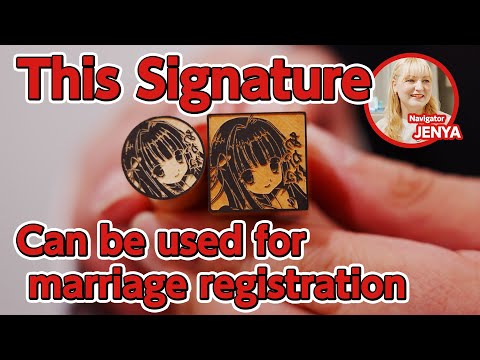
- And you can put your favorite character's name on it?
And you can put your favorite character's name on it?
- You can put your favorite character's name on it?
You can put your favorite character's name on it?
A Guide to Personalising Books *grangerising*

- That's a key theme when looking at 17th century literature and processes of reading, the idea of being active with what you're reading and kind of connecting to the book that you're reading. So even the act of stamping a book with an ex-libris stamp that has your name on it or your family crest traditionally. Frances Wolferston, for example, in the 17th century would write Frances, her book, in the front of her books. But there's a connection and there's an ownership to reading that which involves the reader and actually kind of physically puts the reader into the book. And that ownership, that connection definitely feels more valid and understandable considering how much rarer books were. I mean, books are still pretty expensive but when you compare the price to what it used to be, they are so, so, so affordable and they are affordable enough that, especially if we're shopping second hand, we can accumulate a lot of books. And so it kind of makes sense that we wouldn't then like customise all of our books and kind of write our names and all of our books in the same way. Though not to say that not everyone does because I do think the ex-libris stamp is making something of a comeback. But I just love how grangerising makes a book personal to you and the book itself then reflects and is testament to how much a book means to you. It kind of becomes this material marker in relation to you as the reader. It also bestows importance onto the physical object of the book as well as just the text. Like this book is significant because I bought this when I was 17 and I've read it four times since then and so it's kind of joined me in a very material way in many different life stages and it's kind of transcended time and moved with me which I think is absolutely beautiful. Effectively when you add your own illustrations, when you add tiny kind of snippets and annotations and thoughts, you're adding to the paratext of the book as well. And I think when we kind of frame it as a form of paratext, it kind of helps to even better frame like the importance of your personal copy to you as a reader. Paratext was kind of most officially and famously theorised by Jeannette in his book Paratext from 1987 and paratext is all of the stuff around the actual text. So this is the text and then the paratext will be like, you know, the four words or in this book there's quotes at the beginning from Stephen Hawking. There are dedications, there are words of thanks, you've got the information about publication, you've got like other works by Margaret Atwood here, you've got the cover, you've got what else? Oh yeah, more books by Margaret Atwood there. And these are things which are connected to the text but they're not actually part of the text and so when you grangerise a book
That's a key theme when looking at 17th century literature and processes of reading, the idea of being active with what you're reading and kind of connecting to the book that you're reading. So even the act of stamping a book with an ex-libris stamp that has your name on it or your family crest traditionally. Frances Wolferston, for example, in the 17th century would write Frances, her book, in the front of her books. But there's a connection and there's an ownership to reading that which involves the reader and actually kind of physically puts the reader into the book. And that ownership, that connection definitely feels more valid and understandable considering how much rarer books were. I mean, books are still pretty expensive but when you compare the price to what it used to be, they are so, so, so affordable and they are affordable enough that, especially if we're shopping second hand, we can accumulate a lot of books. And so it kind of makes sense that we wouldn't then like customise all of our books and kind of write our names and all of our books in the same way. Though not to say that not everyone does because I do think the ex-libris stamp is making something of a comeback. But I just love how grangerising makes a book personal to you and the book itself then reflects and is testament to how much a book means to you. It kind of becomes this material marker in relation to you as the reader. It also bestows importance onto the physical object of the book as well as just the text. Like this book is significant because I bought this when I was 17 and I've read it four times since then and so it's kind of joined me in a very material way in many different life stages and it's kind of transcended time and moved with me which I think is absolutely beautiful. Effectively when you add your own illustrations, when you add tiny kind of snippets and annotations and thoughts, you're adding to the paratext of the book as well. And I think when we kind of frame it as a form of paratext, it kind of helps to even better frame like the importance of your personal copy to you as a reader. Paratext was kind of most officially and famously theorised by Jeannette in his book Paratext from 1987 and paratext is all of the stuff around the actual text. So this is the text and then the paratext will be like, you know, the four words or in this book there's quotes at the beginning from Stephen Hawking. There are dedications, there are words of thanks, you've got the information about publication, you've got like other works by Margaret Atwood here, you've got the cover, you've got what else? Oh yeah, more books by Margaret Atwood there. And these are things which are connected to the text but they're not actually part of the text and so when you grangerise a book
- So even the act of stamping a book with an ex libre stamp that has your name on it or your family crest traditionally.
So even the act of stamping a book with an ex libre stamp that has your name on it or your family crest traditionally.